AI × Animals Weekly
Issue 2 · 20–26 November 2026
Subscribe
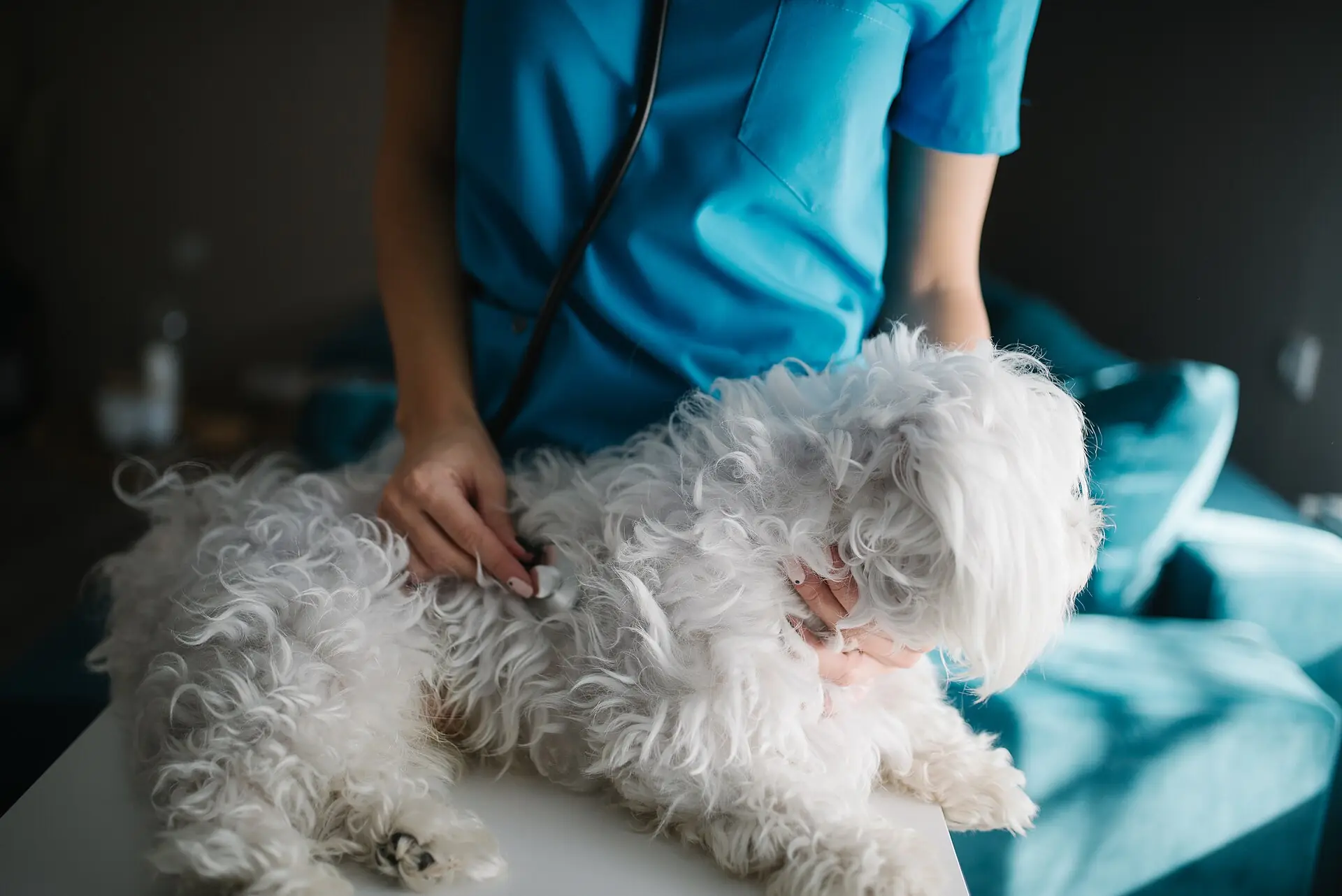
A veterinarian listening to a small white dog with a stethoscope

Vet

AI and software in veterinary practice, from the stethoscope to the lab bench.

Vet · 1 of 4

OvaCyte prepares a New Zealand parasite-identification rollout

Telenostic’s AI microscopy system is due to reach New Zealand in the coming months, according to Rural News. It identifies parasite eggs in sheep faecal samples.

Note: Company announcement reported by Rural News. Rollout and performance claims are not independent clinical findings.

Rural News reported on 20 November that OvaCyte Speciation is expected to launch in New Zealand in the coming months. The report describes a benchtop microscope, sample cassette and cloud-based AI that identify and count parasite eggs. This is a planned regional rollout of existing technology, rather than confirmation that New Zealand clinics are already using it.

Telenostic and its distributor say the system distinguishes barber’s pole worm eggs from similar-looking strongyle eggs in sheep samples. It also reports a group of potentially harmful coccidia separately. Rural News gives a claimed 17-minute workflow from sampling to results. A quick result may inform a veterinary parasite-control plan, but the announcement does not establish independent accuracy in New Zealand flocks or replace interpretation of an animal’s condition and treatment history.

Why it matters

Faster identification could help vets choose a more targeted response to parasite problems. Its value depends on reliable local results and treatment decisions that account for resistance and animal health.

Vet · 2 of 4

AssemblyAI introduces a veterinary transcription mode in beta

The company says its new correction layer targets veterinary drug names and other terms that general speech models can confuse.

Note: Company announcement. No separate veterinary accuracy benchmark is supplied in the announcement.

AssemblyAI announced a veterinary mode for its speech-to-text products on 23 November. Available in beta for recorded and streaming audio, the software adds a correction pass intended to recognise veterinary terminology. The company gives examples such as changing a mistaken “ibuprofen” transcription to “carprofen”, based on the surrounding conversation.

The feature is designed for developers building tools such as consultation scribes, rather than for diagnosing an animal. AssemblyAI describes early customer feedback but does not provide a separate veterinary benchmark in the announcement. Its numerical performance comparisons cover medical datasets, so those results should not be read as evidence of veterinary accuracy. Veterinary teams would still need to review drug names, doses and the finished record before using it in care.

Why it matters

A transcription error can carry into a clinical note. Veterinary vocabulary support could reduce corrections, but clinicians still need evidence from real consultations and remain responsible for checking records.

Vet · 3 of 4

DNA Vetcare describes AI use in practice administration and imaging

A Lloyds-sponsored profile describes consultation-note tools and MRI processing. The clinical benefits are practice claims, with no comparative trial supplied.

Note: Paid content for Lloyds, describing the practice’s own experience. No independent clinical validation supplied.

A Lloyds-sponsored Vet Times profile published on 23 November describes DNA Vetcare’s investment in AI alongside its wider growth. The veterinary group says its uses include consultation notes, routine customer enquiries, operational analysis and marketing. It has recruited a dedicated technical team to support that work.

The profile also discusses machine-learning processing of MRI images at Advanced Vetcare, the referral hospital opened in late 2025. It describes noise reduction and clearer images, with the practice claiming faster scans and results comparable to more expensive equipment. The article does not provide independent comparisons or patient-outcome data. The current news is this account of how a group uses AI, rather than a newly opened hospital or a validated diagnostic breakthrough.

Why it matters

Administrative support and image processing affect different parts of a vet’s work. Each needs its own checks, including whether saved time or clearer scans improve care for the animal.

Vet · 4 of 4

RCVS podcast asks who is accountable for veterinary AI

The regulator discusses work on transparency and oversight. The linked provider framework remains a consultation draft, with a final version still to come.

The Royal College of Veterinary Surgeons published a podcast on 24 November about responsibility for AI in veterinary medicine. Catherine Hemingway of the RCVS and Susie Samuel of Digital Practice discuss the Veterinary AI Transparency Alliance, which brings together veterinary, technology and regulatory participants.

The episode links to the alliance’s draft AI Provider Information Framework for Veterinary Practice. It proposes that suppliers explain intended uses, limits, evidence, data handling and human oversight. Scrutiny would increase with clinical risk, with stronger expectations for tools influencing diagnosis or treatment than for simple administration. The RCVS explicitly says the linked document is the version consulted on over the summer; the final framework will be published in due course. This is guidance-development news, not certification of particular AI products.

Why it matters

Practices need clear information before trusting software with patient care. Supplier disclosures can help vets understand a tool’s limits and decide when a qualified person must check its output.

Get the weekly briefing

AI and animal news, in your inbox every Friday.