AI × Animals Weekly
Issue 2 · 20–26 November 2026
Subscribe
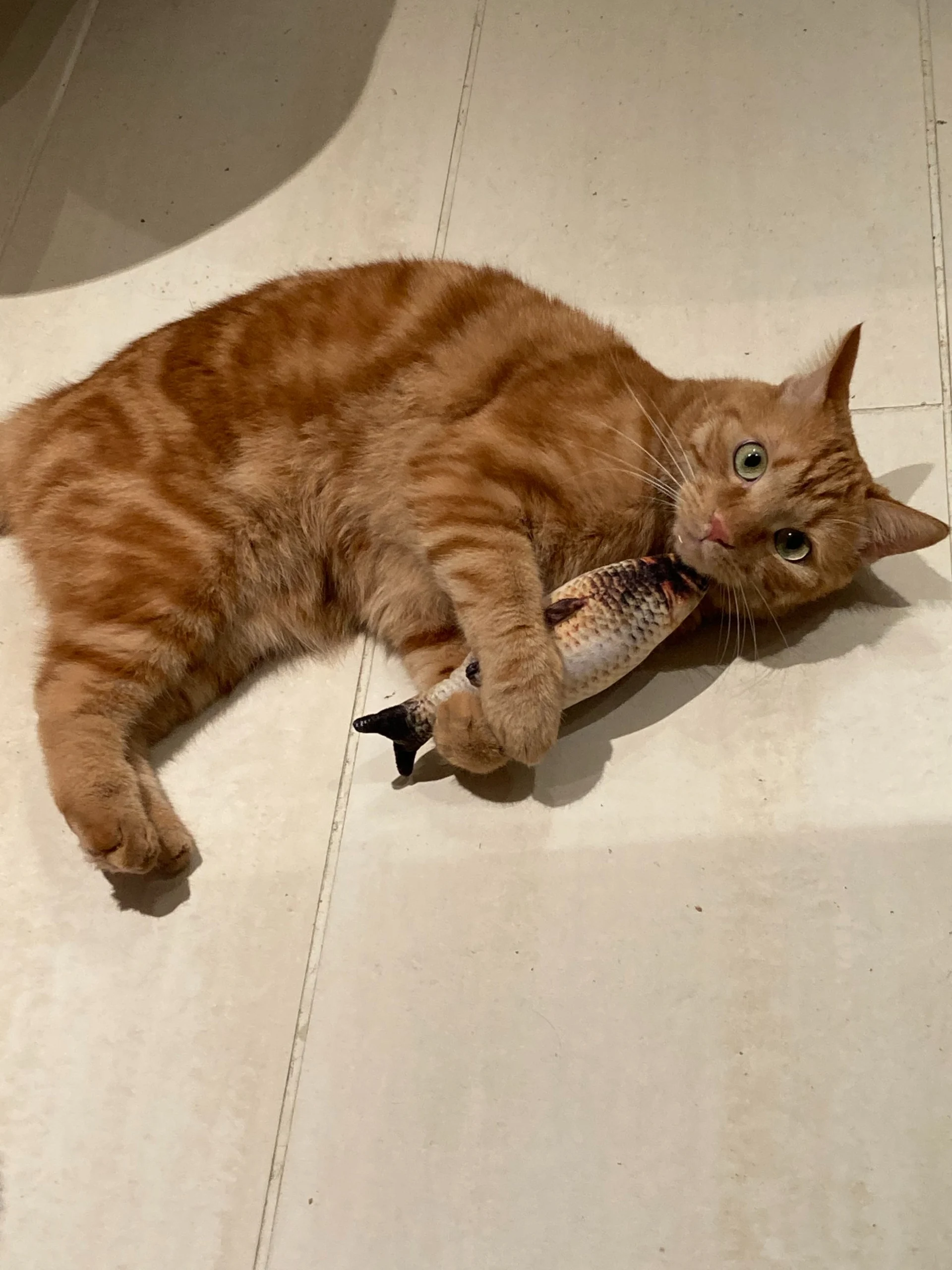
Simba, a ginger cat, lying down with a fish toy

Pets

Companion animals at home: consumer devices, apps and AI products for pet owners.

Pets · 1 of 6

InHandPlus adapts behaviour-recognition software for pets

The Korean company says its home-camera software recognises pet activities and warns when an animal approaches food it should not eat.

Note: Company announcement reported by Electronic Times. No independent pet-specific accuracy or outcome assessment is supplied.

InHandPlus announced its move into pet behaviour monitoring on 20 November, Electronic Times reports. The company has adapted algorithms previously used to record human medication-taking and meals. Its new software uses existing home-camera footage to distinguish activities such as eating, drinking, resting, playing, scratching and shaking. The company says it can also display a graded warning when a pet approaches unsuitable food.

A collar device and services that use longer-term behavioural changes for health management are still being developed. The same announcement discusses a medication-monitoring project with a pharmaceutical company in Singapore; that human project is not evidence that the pet system has been clinically tested. The report gives no independent performance figures or demonstration that the alerts prevent poisoning or reliably predict disease.

Why it matters

Using cameras already in a home could make monitoring easier to try. Owners need dependable warnings and clear limits before relying on software to spot dangerous food or emerging health problems.

Pets · 2 of 6

BePetz profile describes photo-based pet care guidance

An Ecuadorian company uses photographs to suggest breed-based care information and connects owners with vets. The app predates this week’s profile.

Note: Company profile. Training size and product functions are reported claims; no independent breed-recognition or clinical-outcome evaluation accompanies the story.

An El Hoy profile on 21 November describes BePetz, an Ecuadorian app connecting pet owners with veterinary services and care records. Its Lía software uses photographs to suggest a dog or cat’s breed and then tailor guidance on routine care. The company says owners can also keep health histories and receive reminders, while professionals have tools for appointments and records.

This is a follow-up on a platform already introduced earlier in the year, rather than a new November launch. The company describes training its image model on more than 65,000 photographs, but the profile does not supply an independent test of breed predictions or health effects. Appearance-based predictions cannot establish genetic ancestry. The founders say diagnosis and prescribing remain the veterinarian’s responsibility, an important limit when general care guidance is presented as personalised.

Why it matters

Care records and reminders can help owners stay organised. Breed guesses from photographs should not determine medical decisions, especially for mixed-breed animals whose ancestry cannot be established from appearance alone.

Pets · 3 of 6

PettiChat launches an avatar driven by a pet’s activity

PettiLive! turns collar-device activity records into an animated version of a pet. The company’s planned wellness alerts remain separate from proven health benefits.

Note: Company announcement. Device shipments and model capabilities are company claims; the release does not provide an independent behaviour or health evaluation.

PettiChat announced PettiLive! on 21 November. Its wearable device records activities such as walking, eating, resting and grooming, and the app turns those records into an animated pet that mirrors the animal’s reported activity. PettiChat says its PettiWorld model combines behaviour and vocalisation data to power this feature and its existing pet-language product.

The company says PettiLive! is available to current app users, with a computer version planned to follow a month later. It also describes future wellness functions that would flag changes against each animal’s usual routine. The release reports more than 20,000 devices delivered to homes, but supplies no independent validation of behaviour recognition, translation or health alerts. An appealing avatar is not evidence that the software understands an animal’s feelings.

Why it matters

An activity record may be easier to follow when shown visually. Its value for care depends on reliable observations and clear changes over time, rather than how lifelike the avatar looks.

Pets · 4 of 6

HorseSafe profile highlights alerts from everyday horse behaviour

A New Zealand report describes an existing wearable that analyses a horse’s activity and alerts its owner to changes. It is not a newly launched diagnostic test.

Note: Company and customer accounts of an existing product. No independent detection or animal-outcome evaluation is reported in this week’s profile.

A Farmers Weekly profile published on 23 November describes HorseSafe, a wearable developed by equine vet Felicity Wade and programmer Tristan Wade. Its machine-learning software distinguishes movements and activities, including eating, walking and lying down, and combines the records with location tracking. Owners can receive alerts intended to draw attention to situations such as an escaped or trapped horse and behaviour associated with possible health problems.

HorseSafe’s own same-day blog confirms the profile concerns an existing product; earlier company updates describe use and trials before this week. The report includes owner experiences and plans to expand monitoring. It does not present an independent trial showing how often alerts are right, how many problems are missed or whether outcomes improve. A behavioural warning can prompt someone to check a horse, but cannot establish a diagnosis on its own.

Why it matters

Horses may need help when nobody is watching. Activity alerts could shorten that gap, provided an owner can respond and understands that an absence of alerts does not guarantee good health.

Pets · 5 of 6

Lassie brings AI-assisted pet insurance to MoneySuperMarket

Lassie’s new UK comparison-site partnership combines receipt-photo claims with an app that rewards preventive care. Its processing-speed figures are company claims.

Note: Company partnership announcement. Claims-processing and prevention benefits are company statements; no independent outcome evaluation accompanies this news.

Lassie has partnered with MoneySuperMarket to make its pet insurance available through a UK comparison site. The release appeared on 24 November, followed by specialist reporting on 25 November. MoneySuperMarket has an initial three-month period as the only UK comparison site selling the cover. Lassie had already entered the UK in July; this is a new distribution agreement, rather than its UK launch.

Owners submit claims by photographing their veterinary receipt in the app. Lassie says its AI-assisted process completes more than 60% of global claims in about six minutes. Its care programmes also offer guidance on training, nutrition and vaccinations, with points that can reduce premiums. These claims do not establish better animal-health outcomes or explain how disputed claims are reviewed.

Why it matters

Faster claims could ease the cost of seeking care. Owners still need clear cover terms and a way to challenge decisions; processing speed alone says little about fairness or prevention.

Pets · 6 of 6

Space Data develops camera alerts for unusual cat movements

A Japanese company is developing AI that reviews unusual movements in cat videos. Its initial example involves one employee-owned cat after surgery.

Note: Company development announcement based on a single-cat demonstration. The reported classifications are not diagnostic accuracy or evidence of improved clinical outcomes.

Space Data announced a cat-monitoring application of its RobotBrain technology on 24 November. The system follows the cat’s position, joints and posture in video. It first identifies movements that may need attention, then reviews a short clip around each event and gives a normal, caution or abnormal judgement with an explanation. Ordinary movement is not sent through that second step.

The company demonstrated the approach using footage of an employee’s cat, including roughly two minutes of unsteady movement while anaesthesia wore off after surgery. It identified six moments for review. This is a demonstration, not a clinical validation study. Space Data says it is still developing an automated workflow for near-real-time home webcam footage, with wider monitoring services a future aim.

Why it matters

Reviewing selected clips could help owners notice changes they missed. A useful home monitor must also distinguish harmless movement from problems, without delaying veterinary help when an animal seems unwell.

Also this week in Pets

Other animal news from the week with little or no AI angle. Links go to the original source.

  • 23 Nov 2026
    MasterZoo introduces its first app and updates online shopping

    MasterZoo has launched a mobile app and rebuilt its e-commerce platform, GlobalPETS reports from company interviews. The Ukrainian retailer describes recurring purchases, care information and links with its store network. The report discusses future AI plans at another retailer, rather than a verified new AI deployment by MasterZoo. Source: GlobalPETS original company-interview reporting, 23 Nov 2026

Get the weekly briefing

AI and animal news, in your inbox every Friday.