AI × Animals Weekly
Issue 1 · 13–19 November 2026
Subscribe
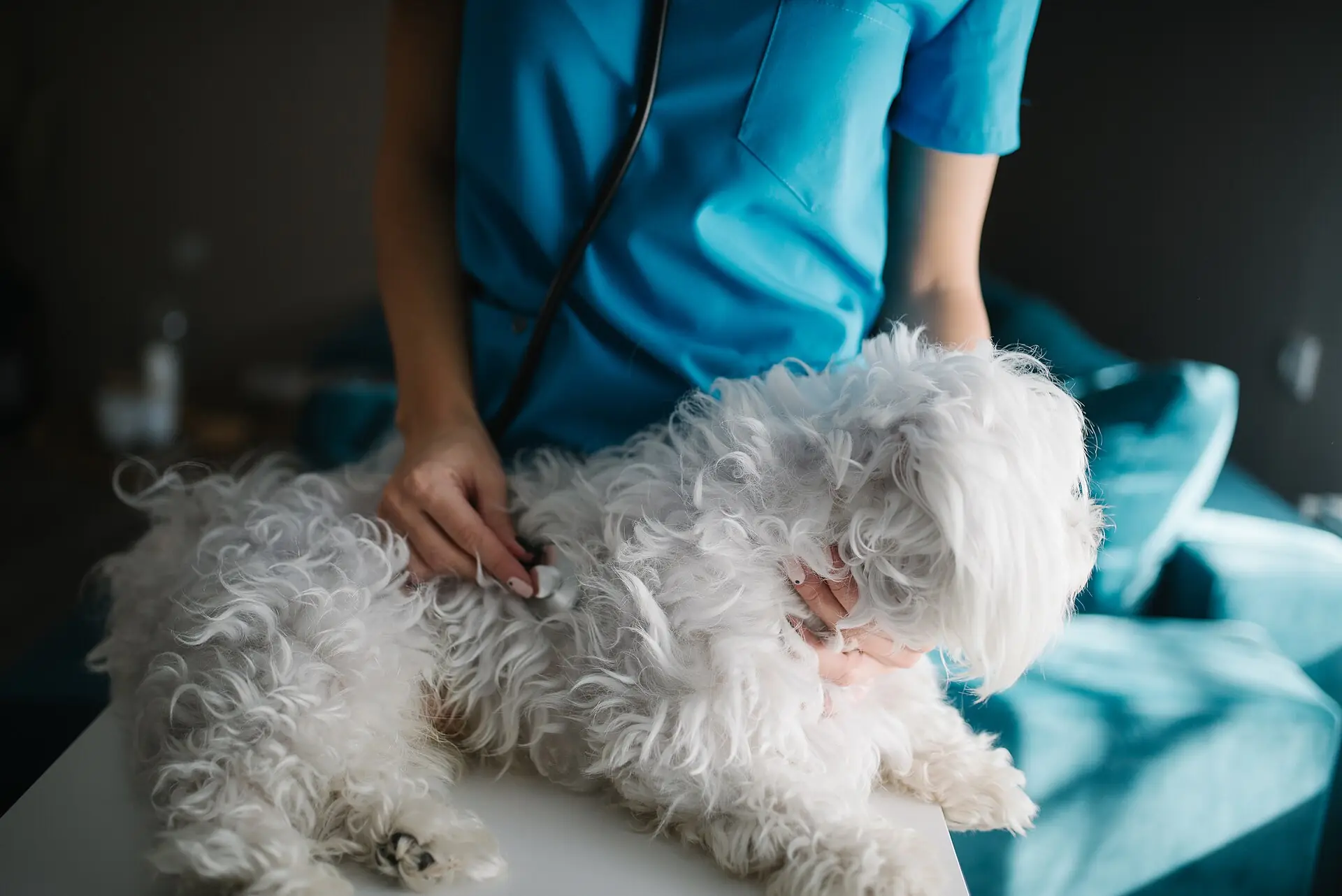
A veterinarian listening to a small white dog with a stethoscope

Vet

AI and software in veterinary practice, from the stethoscope to the lab bench.

Vet · 1 of 4

AI Scan brings assisted microscopy to London Vet Show

The system scans slides and presents candidate findings for a veterinarian to review.

Note: Exhibitor announcement.

AI Scan announced that it would demonstrate its AIS 1000 Vet microscopy system at London Vet Show. The device combines a motorised microscope with image-analysis software for veterinary laboratory samples. The exhibitor describes applications across blood, faecal, urine and skin samples.

In the proposed workflow, a user loads a prepared slide and the microscope captures images. The software flags and classifies possible findings such as cells, parasite eggs or crystals. The veterinarian can examine the associated images and approve findings before the device produces a structured report.

The announcement describes the workflow and the kinds of findings the software is designed to surface. Performance comparisons with manual review and across different samples would help clinics judge where the tool fits into routine laboratory work.

Why it matters

AI could help vets find relevant details on a slide sooner. The benefit for animals depends on reliable findings and clinical review, rather than faster reports alone.

Vet · 2 of 4

Teleos brings an AI-enabled practice system to London Vet Show

The browser-based software brings patient-history summaries and draft consultation notes into its practice management system.

Note: Company announcement.

Teleos Systems announced nova ahead of its first public unveiling at London Vet Show. The company describes a browser-based practice management system with scheduling and clinical tools that staff can use from desktop and mobile devices.

In the consulting room, the company says clinicians can generate patient-history summaries and choose an AI scribe to draft notes from a consultation. The proposed draft includes sections for the history, examination, assessment and plan.

The announcement describes a change in where these tools sit in a clinic workflow. A clinician can start from the patient record and bring a draft back into that same system. Teleos announced the capabilities as part of the launch. Clinics evaluating the system will still need to test how drafts handle incomplete histories and local shorthand.

Why it matters

AI notes could free up more of a vet’s attention for animals and owners. The useful measure is time saved after corrections, alongside the clinical details the draft preserves.

Vet · 3 of 4

Micron Agritech takes the Animetri name and brings AniLab to London

The company renamed its AI-assisted faecal egg-count system and announced a demonstration at the London Vet Show.

Note: Company announcement.

Micron Agritech announced that it would trade as Animetri at the London Vet Show. The Dublin company also renamed its Micron Kit as AniLab. It describes the move as a change in names for the existing business and product.

AniLab uses AI to help count parasite eggs in faecal samples in veterinary practices. The exhibitor lists worm and fluke testing for horses, cattle and sheep, with a companion-animal offering called +Pet. The company says it participates in the VetQAS proficiency scheme and cites peer-reviewed validation of its technology.

The show announcement describes the product and its intended use. It does not give comparative performance results by species or parasite in the announcement. Those details matter when a clinic is deciding how to handle borderline samples and when to seek a confirmatory analysis.

Why it matters

An egg count can help guide a parasite management decision; the species, parasite and testing context determine how much information a result provides.

Vet · 4 of 4

ComparaVet gives veterinary students feedback on anatomy labels

A Tennessee educator describes classroom use of his AI study platform.

Note: Developer interview and product documentation. Classroom use and submission count are reported, not independently audited.

Tim Chamberlain, a University of Tennessee veterinary anatomy instructor, described ComparaVet in an interview published this week. Students submit photographs of specimens with their own anatomical labels, and the platform returns feedback intended to help them check their understanding.

The report says students made 4,200 submissions during the first semester. Chamberlain continues to review AI responses and correct mistakes. The platform’s own terms describe it as a supplementary learning resource: instructors determine official grades and students should check answers against course materials.

The interview also reports the developer’s accuracy estimates, but supplies no independent evaluation protocol or sample denominator. Those percentages are omitted here. Wider use by other programmes remains a plan. This week’s development is the reported classroom experience, rather than the first invention or launch of the platform.

Why it matters

The example connects AI feedback with faculty correction; independent learning-outcome evidence remains to be established.

Also this week in Vet

Other animal news from the week with little or no AI angle. Links go to the original source.

Get the weekly briefing

AI and animal news, in your inbox every Friday.